


I Built a Multi- Income Stream Writing Business and Sold Over 1 Million Books


Most writers write. Entrepreneurs build a business.
Lana McAra did both — betting $35,000 on 10,000 books
If you are a self-published author looking for actionable ways on how to make money writing, this conversation with award-winning author and publisher Lana McAra delivers a realistic blueprint for long-term sustainability. In this episode, Lana breaks down how to write a book career from scratch, leverage speaking engagements to skyrocket book sales, and diversify your income using editing, coaching, and publishing models.
Treating Your Writing as a Real Business
Transitioning from hobbyist to full-time author requires a total operational shift. Lana shares her early turning point when faced with a $35,000 printing commitment, forcing her to establish a formal business entity, manage profit and loss statements, and build a dedicated promotional engine.
- Invest Intentionally: Professional services like book editing, interior formatting, and cover design require upfront capital. Treat these as essential startup costs rather than sunk creative expenses.
- Diversify Revenue: Relying solely on retail royalties makes author income volatile. Lana leveraged her writing credentials and award recognition to secure paid commercial editing, novel coaching, and course sales.
- Build Backing Assets: Develop complementary services around your intellectual property to establish multiple predictable cash flows.
Using Live Speaking to Sell More Books
While many authors rely exclusively on digital ads or social media, in-person connection remains one of the most underutilized book marketing strategies.
- Mine Fiction for Non-Fiction Topics: Pull tangible sub-themes from your novels—such as historical research, culinary settings, or real-world issues—and turn them into educational presentations.
- Pitch Local Community Hubs: Reach out to local libraries, historical societies, rotary clubs, and specialty interest groups to book targeted speaking gigs.
- Connect with the Room: Live human interaction, Q&A sessions, and take-home handouts build brand loyalty far faster than cold online promotions.
Building Systems to Beat Creative Burnout
Sustainable book production depends on strong productivity habits rather than waiting for creative inspiration. When juggling writing, book promotion, and business administrative duties, structured routines keep you moving forward.
- Block Dedicated Time Slots: Batch similar tasks together. Reserve deep morning blocks strictly for drafting chapters, afternoons for online networking and podcasting, and weekends for speaking.
- Break Big Goals into Daily Steps: Replace overwhelming multi-month launch projects with small, actionable daily check-lists to eliminate decision paralysis.
- Use Modern Productivity Tools: Pairing digital tools like Google Calendar, Keep, and task managers with quick interstitial journaling ensures you never lose momentum.
By creating dedicated operational routines, branching out into speaking, and establishing diversified revenue streams, you can build a stable, full-time writing career that thrives in any publishing landscape.

Meet Lana McAra
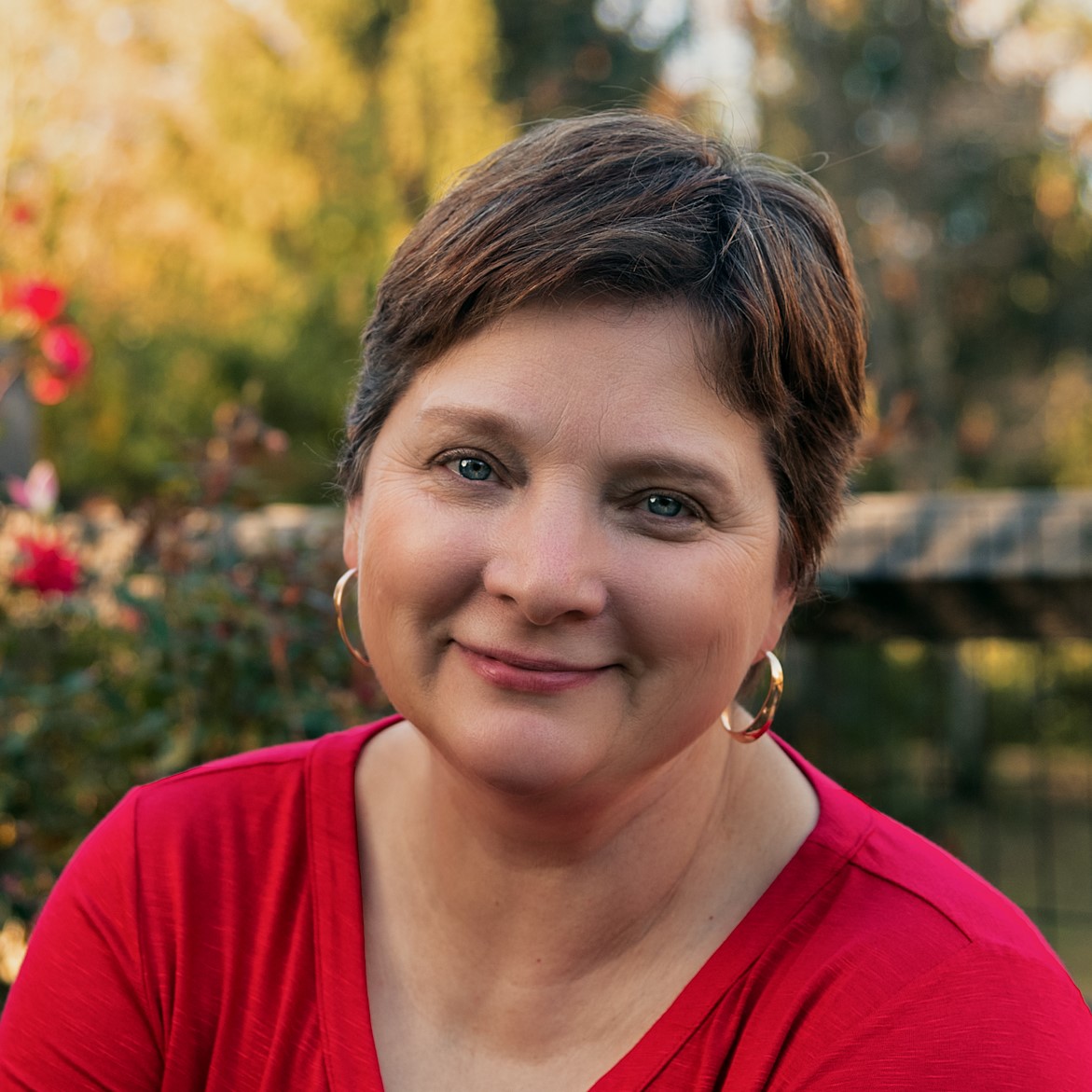
Lana McAra is an award-winning, international bestselling author and ghostwriter of more than 50 books with over one million copies sold. Founder of Vendela Publishing, she works with writers who want to build long-term careers and reach readers beyond the algorithm. Lana has spent more than two decades teaching fiction writing and speaking to writers about the business of publishing.
- Website
- Facebook
- Instagram
- Twitter/X
- LinkedIn

Books By Lana McCara

RUN CINDY RUN: Romantic Thriller
Framed. Betrayed. Hunted. She trusted him once. Can she survive him twice? One woman. One mission. Zero room for mistakes.
Hunted for secrets she doesn't have, Run, Cindy, Run! is a gripping romantic techno-thriller packed with CIA betrayals, cyber warfare, and heart-pounding suspense that won't let you go from cover to cover. Tom Clancy meets Sandra Brown.

How to Write a Novel That Sells: From Concept to Publication
Christy Award winner Lana McAra shares her system of fiction writing tips for writing better while writing faster, including how to lay a solid, seamless foundation for your marketing before you begin to write. Your receipt gives you access to 14 online forms that Lana used to write her own award-winning novels in record time.
Tools For Your Writing Biz
💫DIY Book Covers: Book Cover Formatting & Mockups:
💫Canva: Graphic Design & Photo Editing Software
💫Sign up for GOOGLE WORKSPACE and organize your business in one place.
💫Are you looking for an easy, reliable newsletter service? Check out the one I use and love, BeeHiiv.

The Truth About Writing A Book Questions Index
To help you navigate this episode's transcript and find instant answers for your writing business, here is a quick-reference breakdown of the core questions discussed.
How can fiction authors use live speaking events to sell books?
Authors can extract real-world themes or research from their stories and present those topics directly to local clubs and libraries.
What income streams can authors build beyond book sales?
Writers can monetize their skills through paid speaking, commercial editing, book coaching, ghostwriting, and courses.
How do career authors balance writing time with marketing?
Authors use daily time blocking, batching deep creative writing in single sessions and handling business tasks separately.

Full Transcript.
I Built a Multi-Income Stream Writing Business and Sold Over 10,000 Books with Lana McAra
Laura Williams: [00:00:00] What does it really take to go from writing as a hobby to building a lifelong career as an author? Today I'm joined by Lana McAra. She's authored 50 titles and sold over a million books. Lana's here to help us walk through the career author's blueprint — we'll cover how to maintain that level of output, the importance of staying organized, and the mindset shift it takes to thrive in today's ever-changing publishing world.
Laura Williams: Lana, thank you so much for being here today. I really appreciate it.
Lana McAra: [00:00:34] Laura, thank you so much for having me. I'm delighted.
Laura Williams: [00:00:38] I think this is going to be a really good talk — I think you'll be able to answer a lot of questions that are on our minds. You've clearly proven that writing doesn't have to be a guessing game. So let me ask you — how did you first come to the conclusion that you needed to treat your writing like a business, rather than just a creative pursuit?
Lana McAra: [00:00:58] Oh, that was a dramatic [00:01:00] event. I had about four books out at that point, I was a stay-at-home mom, writing books and raising my kids. Then I had this idea for a book that was different from anything I'd done before — a historical novel with fiction mixed into a true, factual event.
Lana McAra: I was really excited about it, and I believed in it. My publisher didn't carry that kind of book, so I started exploring other options and found a hybrid publisher — this was back when hybrids were just getting started, in the year 2000. They were excited about the book, but in those days there was no print on demand. I was going to have to buy 10,000 copies of the book, and that came to $35,000.
Lana McAra: So I had to make a decision — either drop the project, which I knew in my heart was really important, or come up with the money and go into business. I think a lot of authors carry a lot of expenses like this today — we pay cover designers, interior designers, editors, people to help with different things. We all face that same question: do I believe in my work enough, or should I just forget it? That was my turning point.
Lana McAra: At that point, I created a business entity, [00:03:00] started doing all the things — profit and loss, marketing, the whole thing — because I'd invested so much money in that book.
Laura Williams: [00:03:13] Scary, wasn't it?
Lana McAra: [00:03:15] Yeah, it was.
Laura Williams: [00:03:18] So when you really started thinking of it as a business — did you have any business experience before that, or was it all new to you?
Lana McAra: [00:03:30] It was the first time I'd ever created a business myself. My mother owned a business, and I'd worked for her, so I'd seen her handle that side of things — it wasn't completely foreign to me, but it was my first real foray into the business world.
Laura Williams: [00:03:48] Yeah, definitely a learning curve. You've clearly done well at it, so you put the work in, that's for sure — that's really amazing. So how did you [00:04:00] take it from there? You'd spent all this money, you knew you had to sell these books, you'd put the business together — but were you thinking at the time that you were building something sustainable long-term, or how did you approach it?
Lana McAra: [00:04:18] Well, as it happened, that book won the Christy Award — a national publisher's award, a genuinely prestigious, nationwide honor. When I went into business and invested all that money, I had no idea what the Christy Award even was, or that my book would qualify for it.
Lana McAra: Later, the publisher reached out and said, “We think your book would be a good candidate for the Christy Award.” I said, “What is that?” [00:05:00] They submitted the book, and I won. To me, that was real validation. So my investment — you could really call it a business investment — was $35,000. Compare that to buying a McDonald's franchise, which runs $250,000 or more these days. Comparatively, it wasn't that much.
Lana McAra: What it did for me was open the door to other streams of income, which is really important — as authors we tend to focus so much on the book itself, but there are a lot of other ways to earn. My publisher wanted to hire me as an editor. They trained me to become a professional commercial editor, and I [00:06:00] started working for them. I was also doing book coaching, and I started a course on how to write a novel. Once I'd won the Christy Award, I had credibility, and my novel course started to sell. That opened up a whole other avenue of income within my business.
Laura Williams: [00:06:21] It gave you even more drive to succeed, but you were also kind of surprised by it. Did you do conferences and things like that too?
Lana McAra: [00:06:30] Yes, I spoke at conferences, did other speaking engagements — ladies' retreats, a lot of things. That's where I became convinced that the best way for committed authors to sell their books is through speaking. Speaking is the number one thing I teach [00:07:00] for selling more books.
Laura Williams: [00:07:01] That makes a lot of sense, because it's so much more personal, and it validates that people appreciate your expertise. It helps build a real persona for you and a recognizable brand.
Lana McAra: [00:07:19] I love talking with people before and after. I give out handouts so they have something to take home. Even just the question-and-answer time, when people raise their hands and I'm talking with them in the room — all of that is human connection, and I think today, especially, that matters more than ever.
Laura Williams: [00:07:41] When you're at conferences, even as a newer author, you learn so much — not just from the classes, but from the people you're speaking to and networking with. It really is such a great place to help build your writing business.
Lana McAra: [00:07:59] Definitely, definitely.
Laura Williams: [00:08:01] If you were sitting down with a brand-new writer today, what's the first business move they should focus on, so they don't get overwhelmed by all the marketing and logistics? What do you suggest for structuring their business to help with that?
Lana McAra: [00:08:22] That's a good question, because it's so easy to get overwhelmed these days. Aside from the legal stuff — setting up your business entity, opening a bank account, all of that — I think the first thing to do is look at your book and figure out what topics you could draw from it for a presentation people would actually want to hear.
Lana McAra: This applies to fiction too. Fiction is often seen as harder to sell that way, but it really isn't, [00:09:00] if you look for topics within your story you could speak about. For example, I wrote a cozy mystery with a stalker in it — there were two mysteries running through it, one was a murder, and the other was that the main character didn't know who was stalking her and making her life miserable.
Lana McAra: I'd actually had a stalker myself back in 2014, so I started speaking about stalking — what it means to have a stalker, how to protect yourself, what police will and won't do. That became a great way to market that book. So with fiction, find something in the story you can speak to. If you catch it early enough, you can even plant things in the book [00:10:00] specifically so you have material to speak about later.
Laura Williams: [00:10:02] That's smart.
Lana McAra: [00:10:04] Yeah.
Laura Williams: [00:10:04] And as authors, a lot of us do research and background work for our books, and that's such good material to use for this too. If you're writing a book about, say, a romance during the Civil War, all that research can help you get speaking engagements — even at historical societies. They love hearing about the era they're interested in.
Laura Williams: There's a lot you can do. Libraries are another great resource. There's a lot out there — you do have to take the time to find it — that you can use to power your book through publication and beyond.
Lana McAra: [00:10:52] Yes.
Laura Williams: [00:10:52] So do you self-publish now, or do you still work with a publisher? [00:11:00]
Lana McAra: [00:11:00] Back when I started, in 1996, I was traditionally published, all the way through 2009. When I went through a divorce in 2009, everything kind of crashed, and I didn't write anything of my own for about ten years.
Lana McAra: I'd been traditionally published up until then, and then in 2015 I started ghostwriting — two or three books a year, twenty-two books total over that stretch, before I started writing my own material again. Now I'm writing my own work again, and I started a publishing company — a real publishing company. We have authors, twelve books out, and we're actually in business. This is really a second level of business for me. [00:12:00] My own books are now published through the company, and we operate as a traditional publisher.
Laura Williams: [00:12:07] Oh, that's wonderful, because you've built up all that experience over the years to bring to it.
Lana McAra: [00:12:12] Yes.
Laura Williams: [00:12:14] That's where it really helps, sometimes, as you get older, to look back and take stock of your experience, and figure out how to bring what you've done in the past into your business.
Laura Williams: And sometimes those skills aren't obvious — if you were an accountant, sure, you'd bring that in directly, but it could just as easily be something like graphic design, or, like you said, speaking. All those skills can feed into building the business. I think when authors feel disconnected between the creative side and the business side, it really helps to sit down and think honestly about what their skills are and aren't, [00:13:00] and figure out where they need to hire someone versus where they can fill the gap themselves.
Laura Williams: I'm sure you see a lot of that working with authors.
Lana McAra: [00:13:13] I think most of it really comes down to mindset — being open to new ideas, and allowing yourself to think wider and bigger than you might have before.
Laura Williams: [00:13:31] How would you suggest someone actually map out a writing career?
Lana McAra: [00:13:35] Aside from the legal groundwork you have to do, the time to start is right now. Once you have an idea of what your book is about and what kind of groups would be interested, the time to start is getting into those groups and making friends there — I mean social media, but also your local community.
Lana McAra: Say your book is about cooking — there's a chef character or something. There are a lot of foodie groups out there, places where you can connect with people who love food. So you start putting yourself in the rooms where those people already are, even before the book is finished. The time to start is right now, and as you get out there, you'll start to get a feel for how those groups actually operate — do they have speakers, or not? Do they meet at restaurants and just talk? What's it actually like being part of that group?
Lana McAra: That gives you real ideas for how to approach things once the book comes out — maybe a cooking demonstration somewhere, or a dinner at a restaurant where you talk about your book. [00:15:00] It's a learning experience, and the best place to start is right away — start learning about that world immediately.
Laura Williams: [00:15:07] Yeah, I don't think it's ever too early to start thinking about how to put yourself in an advantageous position.
Lana McAra: [00:15:15] Mm-hmm.
Laura Williams: [00:15:15] Let's talk about the speaking piece for a moment. Had you done any speaking before becoming an author, or did you have to actively learn how, or did you just wing it at first?
Lana McAra: [00:15:28] It's really a combination of all three. I was a pastor's wife, so I had to speak — that was just part of the role. I'd been speaking for probably fifteen years before I ever became an author, so speaking itself wasn't new to me. Speaking to writers specifically, though, was something I had to develop.
Lana McAra: I was so shy [00:16:00] that in college, I had to take a required speech class, and I wouldn't even sleep the night before I had to get up in front of the room — I was terrified. Being a pastor's wife kind of forced me over that hump, because I simply had to do it.
Laura Williams: [00:16:17] Right.
Lana McAra: [00:16:18] My advice to speakers who are still a little nervous getting up there is just to keep doing it.
Lana McAra: Just keep doing it. Eventually you stop being so scared, and you realize — this is what happened for me — that the message I have for the people in the room matters more than my own nervousness. My nervousness just isn't as important as what I'm going to say and how I'm going to help people that day, and that really got me past it. So yes, anybody can do it. If I could do it, believe me, anybody can. I was terrified, and I did it anyway.
Laura Williams: [00:16:57] I've done it off and on throughout my life. Several [00:17:00] years ago I made a decision to start speaking — I went to the library and said, “Here's what I can offer, and if any of this seems valuable, I'll come in and teach it to people.”
Laura Williams: In my case, that turned into teaching people how to build simple WordPress sites. That's how I got past a lot of my own hesitation with speaking — just throwing myself into it. I could tell you'd be an effective speaker — you have a real knack for presenting information clearly and on point.
Lana McAra: [00:17:34] Thank you.
Laura Williams: [00:17:35] I'm a systems person myself — I have systems for everything. Do you think having a system actually frees up creativity, or does it get in the way of it?
Lana McAra: [00:17:49] That's a great question, because I've heard people argue both sides of it. I'm personally a plotter — I plot out my whole book before I start writing. Other people just want to sit down [00:18:00] and start writing cold. But systems are so valuable because they free you up from the details.
Lana McAra: For example, say you have a system for your book launch — you know you're going to reach out to five libraries in your area to see if they'll let you do a presentation, contact five or ten bookstores about a book signing, maybe reach out to a church group or another community organization, depending on your topic.
Lana McAra: So the first step is outreach — call the libraries, contact the bookstores, reach out to the community groups, and so on. Then the next step [00:19:00] is building your actual presentation — writing the talk, figuring out what you're going to say. You can see it becomes a progression.
Lana McAra: If you've only got an hour today, maybe you make three or four of those calls today, and you're not discouraged, because you know tomorrow you'll call the rest of the list. There's more to do, and that's fine — you have a step-by-step plan, and you're just working through it. It takes away the overwhelm, because you can see your progress and where you're headed, and you just keep moving. To me, it frees up my mind — I can consider that task done for the day and move on to something else. It's not sitting in the back of my head anymore, because I know it's handled.
Laura Williams: [00:19:52] I've found the same thing — when I organize my time and tasks, then [00:20:00] — say I work with several different clients on very different projects at the same time — if something goes horribly wrong on someone's website on a Tuesday, and I spend the whole day fixing it, that throws off my whole schedule.
Laura Williams: But on Wednesday, because I'm organized, I know exactly what to go back to. Or if I have a day where I fly through everything and end up with a bunch of free time, because I'm organized, I know exactly how to fill it.
Laura Williams: That's just how my personality works — I'm not judging anyone who works differently. But it really helps. Even if you're a pantser by nature, take book marketing as an example — being successful at it really does require staying organized, knowing what to do and when, and making time for the [00:21:00] different pieces it requires.
Laura Williams: It takes real time to get your book set up on Amazon, research keywords, handle metadata — there are all these different pieces. Organization and having a plan really matter.
Lana McAra: [00:21:15] Oh, absolutely — especially if you're a career author with your business running, putting out books regularly. You're either marketing or writing at any given moment, and it can all get so tangled together that you wake up on a Monday morning and just freeze — “I don't know what to do next, I have so much to do, I don't know where to start.”
Lana McAra: I like to stay far away from that feeling. I want to know exactly what I'm doing the moment I wake up each day. So it's really important, even if you're not naturally gifted at systems, to at least make a list, have some kind of plan for the [00:22:00] start of your day. Otherwise you're going to waste precious time just trying to figure out what to do.
Laura Williams: [00:22:06] I think it frees you up mentally, because instead of facing one giant project, you have small, doable pieces for whatever time you actually have, and those pieces build into the bigger project. If you're not breaking things down and planning around them, there's no point staring at the big problem and banging your head against the wall. Split it into pieces, fix the piece you can fix today. It really clears your mind to have that kind of structure.
Lana McAra: [00:22:39] That's such a good way to put it, Laura — our big problems really are just a series of little problems, aren't they?
Laura Williams: [00:22:47] You can't fix everything. Fix what you can, and move on.
Lana McAra: [00:22:51] Yes.
Laura Williams: [00:22:52] Same in business, too — if you can't fix something, or don't understand it, find someone who does, and move on.
Lana McAra: [00:22:59] Right. [00:23:00]
Laura Williams: [00:23:00] With your publishing company, do you handle everything in-house, or just certain pieces of the process?
Lana McAra: [00:23:07] We're a traditional publisher, but we do things a little differently — we let the author keep 100% creative control. That means an author can get their own cover design done however they want, use their own designer. We have designers on hand, but you're free to use your own.
Lana McAra: A lot of times people come to us with their book already on Amazon, already with a cover, and we don't want to make them pay for that all over again — they can keep using the cover they already have, as long as it's good quality. We handle the regular publishing side, of course — getting the book onto Amazon, onto Ingram, distributed everywhere — but we let the author own the cover and those creative choices, because they should get to choose what they like.
Lana McAra: That said, we don't accept just anyone. Since we're a traditional publisher, we only accept about [00:24:00] 50% of the manuscripts that come to us. We want genuinely good books, and we're looking for authors who are willing to get behind their own book — willing to go out and do presentations, whatever it takes to get the book in front of readers.
Lana McAra: We help — we promise a full year of support after the book comes out. But we've got a lot of books to cover, so we can't be everywhere the author is, all the time. So yes, we want engaged authors. We call it building a career author. That's really our whole model — we build career authors.
Laura Williams: [00:24:38] That makes a big difference — it's not just about the book, you're helping build their entire career. That really sets you apart from a lot of other publishers.
Lana McAra: [00:24:46] Yes.
Laura Williams: [00:24:47] What's the best advice you can give on balancing all the different demands of a writing career — the writing, the speaking, the [00:25:00] marketing, everything that comes with building a writing business? How do you suggest we balance all of that?
Lana McAra: [00:25:06] That's such a great question, because it's so easy to feel overwhelmed. What I do is use time blocks — I block out sections of time and say, “I'm only writing during this window,” or “I'm only doing desk work right now.” Desk work, for me, means answering emails, checking things, working through my to-do list — whatever needs handling.
Lana McAra: That's not writing, and it's not really marketing either — it's just running the business. Then there are other blocks where I'm strictly doing marketing, and that's all I'm doing. Once I'm actually in writing mode, I can knock out a lot of pages in three or four hours, because I'm fully immersed — I'm in the story.
Lana McAra: Then when I [00:26:00] step out for lunch or whatever, I'm out of that mode. So in the afternoons, I'm usually recording my podcast, or being a guest on podcasts like this one, or attending networking events — more of a Zoom-heavy stretch of the day. Then on weekends, I switch into speaking mode, and I might speak at two different events on the same day. When you're already in a certain frame of mind, it helps to capitalize on it, because you don't have to readjust yourself — you don't even have to change clothes. That's a big deal for me.
Laura Williams: [00:26:42] I use time blocking too. The other thing I've found helpful — this has more to do with my ADHD than anything — is interstitial journaling throughout the day. I write down everything I do, or at least try to. Sometimes I get zoned in and [00:27:00] miss it.
Laura Williams: But I try to log everything, and if I get calls or emails, whatever a client needs, or something for the podcast, I note it down too. That helps me build the plan for the next day, and the day after that — but it also helps keep me on task.
Laura Williams: So if I know I have a podcast recording at 11:00, I know that from 9:00 to 11:00 I really need to sit down and focus. Today, for instance, I had one at noon and another at 3:00, so I had the morning, a short break, and then this afternoon — I really had to plan that out.
Laura Williams: That helps me a lot. I do think you need something to structure your day, though. Google Calendar is wonderful for time blocking — I use Tasks, Calendar, and Keep together, and between those three, I move through my whole day.
Laura Williams: I'm pretty immersed in the Google ecosystem, honestly. But those tools help me a lot to stay organized, and they're right there in front of me — I don't have to go looking for anything. My actual notes, though, I still take by hand — I keep a notebook next to me all the time.
Laura Williams: I've really enjoyed this discussion. Can you share where people can find you, and what you offer? Anything coming up we should know about?
Lana McAra: [00:28:25] My website is lanamcara.com — Lana McAra, L-A-N-A. There's a lot there about my books, and I'm also a commercial editor, a ghostwriter, and a book coach, so those services are all listed there too. You can also book a call with me directly — there's a link on the site for that.
Lana McAra: The publishing company is Vendela — V as in Victor, [00:29:00] E-N-D-E-L-A — publishing.com, and there's a lot about the company on that site as well. We also run a Double Vision event every year in Jacksonville, Florida. I'm president of the local Sisters in Crime chapter, and every year we hold that event — a one-day workshop in Jacksonville.
Lana McAra: So I'm involved in the writing community on a lot of levels, and I have a lot of friends and contacts there — that's really where a lot of my speaking and teaching opportunities come from.
Lana McAra: I know writers tend to be reclusive — we're all loners to some degree, since that's kind of the nature of the work — but there has to be a point where you come out of the office and get into rooms with real people. That's been such a blessing in my life since I started doing it a few years ago.
Laura Williams: [00:29:59] I moved to North [00:30:00] Carolina about a year ago from Florida — I lived there for much of my life. I've actually heard of the Sisters in Crime group, they do a lot of really cool stuff.
Lana McAra: [00:30:10] Yes, there are 60 chapters across the country, and we have one in Jacksonville. I'm curious, what part of Florida were you in?
Laura Williams: [00:30:18] Outside Ocala, in between The Villages and Ocala — a little town called Ocklawaha. Before that I was in Mount Dora, and I grew up in Boca Raton.
Laura Williams: So kind of all over Florida. My family's from North Carolina, so when the opportunity came up, we moved back here. The weather's better.
Lana McAra: [00:30:37] Yeah.
Laura Williams: [00:30:39] At least where I live, there's almost a constant breeze, even when it's ninety degrees, so that's nice. I really appreciate you taking the time with me today, Lana. I'll put all your information in the show notes, including your podcast, so people can learn more about you and everything you offer.
Laura Williams: And I thank you so much.
Lana McAra: [00:30:58] Thank you so much for having me.
Laura Williams: [00:30:59] Oh, absolutely. [00:31:00] To learn more about the podcast, and to be the first to know when new episodes are up on The Writing Biz, visit thewritingbiz.com. Until next time, take what you've learned and put it to work in your own writing biz. Thank you, Lana.

Some links in this post may be affiliate links or sponsored placements. Supporting our advertisers helps support The Writing Biz at no additional cost to you.